
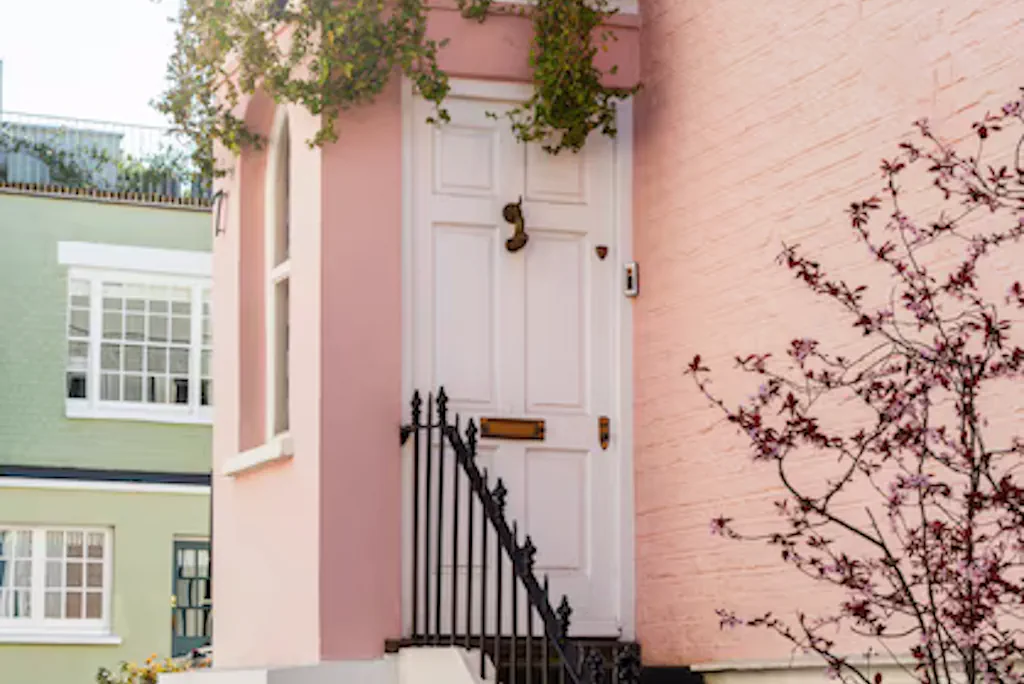
Maximise Curb Appeal with Exterior Paint
First impressions count. The outside of your home sets the tone before a visitor even reaches the front door. Peeling paint, faded colours, or dated shades cheapen a property’s appearance. Well-chosen, carefully applied exterior paint transforms the look of any house, instantly adding character and charm. Done right, it boosts curb appeal and increases property value.
Choose Colours That Work with the Building’s Style
A colour that suits one property can look completely wrong on another. Match shades to the building’s age, materials, and setting. Soft, neutral tones suit traditional homes, while crisp whites and charcoal greys work for contemporary designs. Don’t clash with surrounding properties. A house should stand out for the right reasons, not stick out awkwardly on the street.
Consider how sunlight affects colours. Bright tones look lighter in direct sun and darker in shade. Test samples on different walls and check them at various times of day. Bold statement shades work well for front doors and shutters but can overwhelm large surfaces. Balance is key.
Surface Preparation Is Non-Negotiable
Painting over dirt, mould, or flaky paint won’t last. It’ll blister, peel, and ruin the finish within months. Clean the walls thoroughly with a pressure washer or stiff brush and soapy water. Remove loose paint with a scraper. Treat any algae or mould with a fungicidal wash. Sand rough patches until smooth.
Repair cracks and holes with exterior-grade filler. Pay attention to window frames, fascias, and sills. Once surfaces are clean and sound, apply a quality exterior primer, especially to bare wood or new render. It ensures better adhesion and prolongs the lifespan of your paint.
Pick the Right Type of Paint
Not all exterior paints are equal. Masonry paint resists weather, dampness, and UV damage, protecting brickwork and render. Satin and gloss paint are good for woodwork and metal. Always use products designed for outdoor use. They’ll flex with temperature changes and repel rain.
Look for breathable paints for older properties with solid walls. They allow moisture to escape, preventing trapped dampness and damage. Avoid using interior paints outdoors, they won’t cope with the elements and fail.
Mind the Details
A flawless finish comes from taking time over the details. Protect paths, windows, and plants with dust sheets. Use quality brushes for cutting in and rollers for larger areas. Remove or mask fixtures, lights, and house numbers.
Paint from the top down. Start with fascias and soffits, then move to walls and window frames. Work in small sections to avoid visible join lines. Apply two thin coats rather than one thick one. It’ll dry quicker and give a tougher finish.
When to Call a Professional
Exterior painting involves hard grafts, awkward ladders, and unpredictable weather. For high walls, tricky surfaces, or period features, it’s worth bringing in a painter and decorator. They’ll have the equipment, experience, and materials to deliver a finish that lasts for years.
