
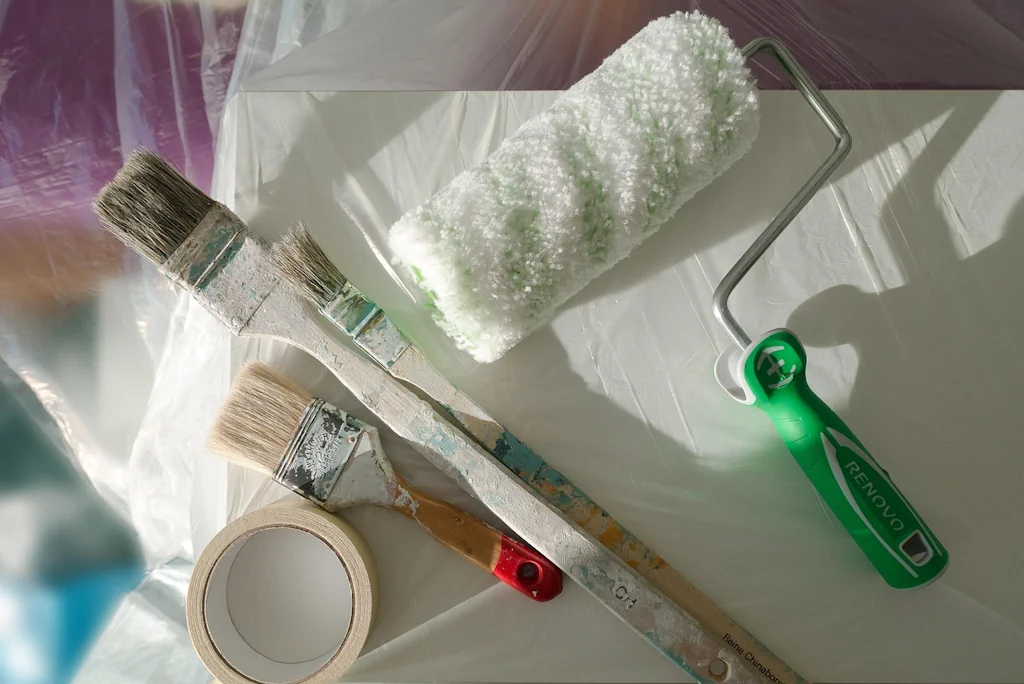
What Should I Do Before a Painter Arrives?
Preparing your home before a painter arrives is essential to ensure the job runs smoothly and delivers the best possible results. Proper preparation saves time, avoids unnecessary delays, and protects your property. A few simple steps can make a significant difference.
Clear the Work Area
Begin by removing all furniture and personal items from the rooms. It includes tables, chairs, sofas, lamps, and decorative pieces. If you cannot move large items, push them into the room’s centre and cover them securely with dust sheets or plastic sheeting. Clearing surfaces allows painters easy access to walls, ceilings, and trims, preventing damage and ensuring an even finish.
Don’t forget to remove pictures, mirrors, clocks, shelves, and curtain poles from the walls. Take down nails and hooks. A tidy workspace minimises the risk of accidents and helps painters work efficiently.
Protect Floors and Fixtures
Even with experienced painters, spills and splatters can happen. Protect floors with durable dust sheets or specialised floor coverings. Carpets can be rolled back or covered with protective layers. Remove rugs if possible.
Switch off and unplug electrical devices in the area. Cover sockets, switches, radiators, and light fittings with painter’s tape or plastic to prevent paint splashes. In kitchens and bathrooms, keep clear countertops and cover appliances to avoid damage.
Clean Walls and Surfaces
Clean surfaces take paint better and last longer. Wipe down walls, skirting boards, and ceilings to remove dust, grease, or stains. Kitchens and bathrooms often accumulate grease and mould, which must be removed thoroughly before painting. Use a mild detergent solution or a specialist cleaner suited to your surface.
For best results, ensure walls are dry before the painter starts. Damp or dirty surfaces lead to poor adhesion, creating peeling or discolouration later on.
Fix Minor Repairs
Check for cracks, holes, or damaged plaster. Fill small imperfections with suitable fillers or spackling compounds. Sand the patches smooth once dry. Inform your painter about any significant repairs that need attention, so they can schedule the work accordingly.
Address damp spots or mould issues before painting. These problems require treatment to prevent paint failure and health hazards. Taking care of repairs beforehand saves time and avoids unsatisfactory results.
Arrange Access and Lighting
Ensure painters can easily access all rooms and outdoor areas. Clear pathways and remove obstacles from hallways, staircases, and entrances. If the project involves external painting, tidy the garden or patio area for safety.
Good lighting helps painters spot imperfections and apply paint evenly. Switch on all available lights, or provide temporary lighting if needed. It is crucial for rooms with limited natural light or when work continues into the evening.
Discuss Colour and Finish Choices
Confirm your colour selections and paint finishes with the painter before work begins. Have paint samples or swatches ready for reference. Clear communication about your preferences avoids misunderstandings and ensures the final look meets your expectations.
If you have concerns about specific colours or surfaces, discuss these early on. A professional painter can advise on suitable products, finishes, and techniques for your project.
Plan for Daily Life Disruptions
Painting can cause noise, odours, and restricted access to parts of your home. Prepare by arranging temporary living spaces if needed. Inform family members or housemates about the schedule to minimise inconvenience.
If pets live in the house, keep them safe and away from the work area. Paint fumes and dust can be harmful, so plan accordingly to protect your well-being.
Secure Valuables and Important Documents
Keep valuables, important documents, and fragile items in a safe place away from the work zone. While painters take care, accidents can happen. Minimising risk protects your belongings and gives you peace of mind.
Final Check Before Arrival
On the day of the painter’s arrival, do a final walkthrough. Ensure everything is cleared, protected, and ready. Clear communication and preparation mean the painter can start work immediately, avoiding delays.
Proper preparation makes the difference between a smooth, successful painting project and one fraught with problems. Clearing spaces, protecting surfaces, cleaning walls, and handling repairs all contribute to a flawless finish. Taking these steps ensures the painter can focus on delivering a professional, high-quality job you’ll be proud of for years to come.
