
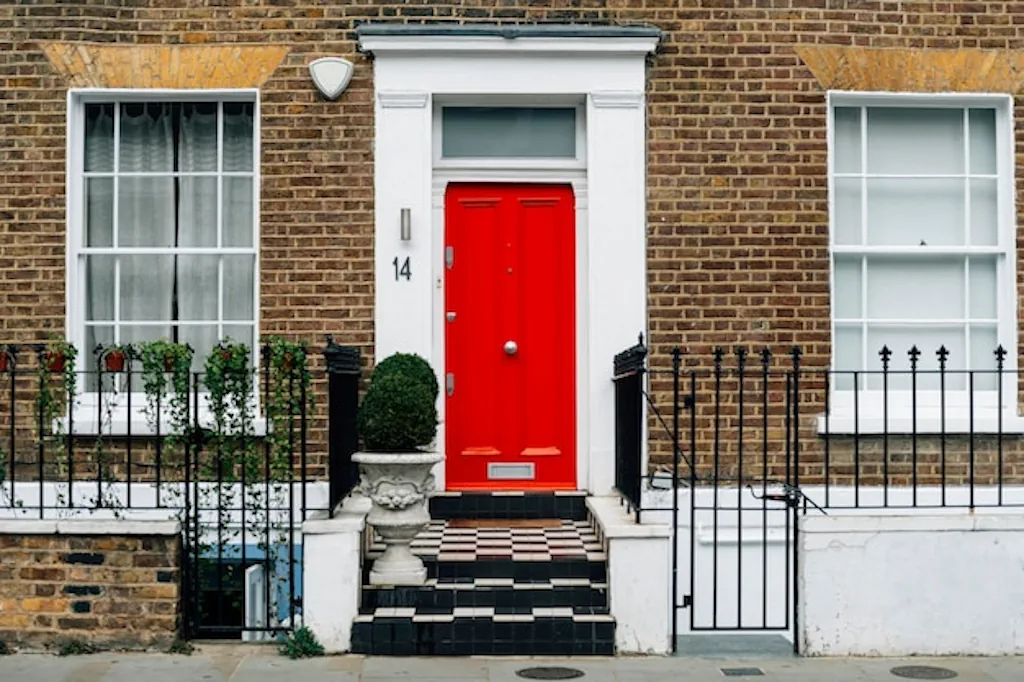
Best Time to Spray Paint Your Front Door
A freshly spray-painted front door sharpens the property’s look. Timing controls the result. Weather, temperature, humidity, and daylight are key. Choose the right moment, and the finish looks smooth, even, and durable. Choose poorly, and flaws appear fast.
Ideal Temperature Range
Temperature dictates how paint behaves. Aim for a steady range between 10°C and 22°C. Within this window, spray paint flows well and levels cleanly. Cold air thickens paint. It clogs spray nozzles and causes patchy coverage. Excess heat dries paint too fast. That traps texture and creates rough patches.
Late spring and early autumn often provide the best balance. Days feel mild. Nights stay cool but not cold. The surface temperature of the door remains stable, which supports consistent adhesion.
Humidity Levels That Work
Humidity plays a critical role. The best results are when humidity stays below 65%. Dry air allows solvents to evaporate at a controlled pace. High moisture slows drying. It dulls the finish. It can also cause blooming, where the surface turns cloudy.
Avoid misty mornings and damp evenings. Midday usually offers the driest conditions. Check forecasts for humidity levels, not just rain. Even without rainfall, moisture in the air can ruin the final look.
Dry Weather Is Essential
Rain and spray paint never mix. Even light drizzle can settle on wet paint and mark the surface. Wind-driven moisture poses the same risk. Pick a day with at least 24 hours of dry weather. That window allows the paint to cure without interruption.
Wind also affects control. Strong gusts scatter paint and cause uneven layers. Calm days deliver cleaner edges and better coverage. If breezes pick up, wait. Precision matters more than speed.
Best Seasons for Spray Painting
Spring offers fresh conditions. Temperatures rise without extremes. Humidity often stays moderate. Avoid early spring cold snaps. Late spring works best.
Summer can work, but only with care. Heat builds quickly, especially on south-facing doors. Paint dries too fast in direct sunlight. Early morning becomes the safest option during warmer months.
Autumn often provides the most reliable conditions. Air stays crisp. Light remains strong. Humidity drops. Many professionals favour this season for exterior spray work.
Winter rarely suits spray painting. Cold air, frost, and damp surfaces cause adhesion problems. Even brief cold spells can damage curing paint.
Time of Day Matters
Timing within the day affects results as much as the season. Early afternoon often works best. Morning dew has evaporated. Temperatures feel steady. Sunlight still provides clear visibility.
Avoid direct midday sun in summer. It heats the door surface beyond the temperature. That leads to rapid drying and poor levelling. Late afternoon can also work, but only if temperatures remain stable into the evening.
Never spray paint after sunset. Falling temperatures slow curing and invite condensation.
Sun Exposure and Door Position
The direction your front door faces changes the ideal timing. South-facing doors heat up fast. Paint them early in the day or when the door sits in shade. North-facing doors stay cooler and damper. Choose a slightly warmer window.
Direct sunlight causes flashing, where patches dry at different rates. Shade produces a more uniform finish. Temporary covers or working when the sun moves off the door can help.
Surface Condition Before Painting
Even perfect timing fails if the surface feels wrong. The door must feel dry and cool to the touch. Any moisture trapped beneath paint might peel later. Clean the surface first. Allow it to dry fully before spraying.
Metal doors need extra care. They react quickly to temperature shifts. Check surface warmth, not just air temperature. Wooden doors respond better but still require stable conditions.
Allowing Enough Curing Time
The best time to spray paint also includes the hours after application. Paint needs calm, dry air while it cures. Rushing this stage invites marks and damage. Keep the door open if possible. Protect it from contact, dust, and moisture.
Avoid rehanging fixtures too soon. Even when the surface feels dry, curing continues beneath.
Timing Delivers the Finish
The best time to spray paint your front door is in mild temperatures, low humidity, dry weather, and stable daylight. When these factors align, paint settles smoothly and lasts longer. Careful timing turns a simple task into a high-quality result.
