
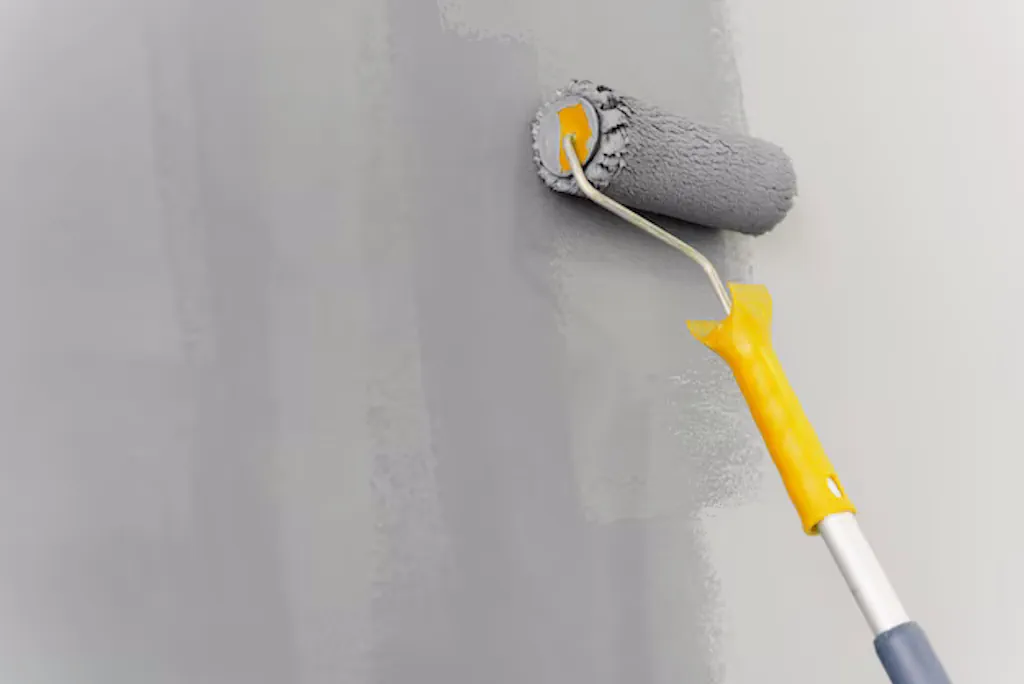
Avoiding Common Painting Mistakes
Painting your home should refresh your space and add value. However, simple errors can ruin the finish and cost you time and money. Knowing what to avoid makes all the difference between a professional-looking job and a disappointing mess. Here are the top painting mistakes and how to avoid them.
Skipping Surface Preparation
It is the single cause of poor paint jobs. Dirt, grease, flaking paint, and cracks prevent new paint from adhering. Always clean surfaces thoroughly before painting. Wash walls with sugar soap or mild detergent. Remove loose or peeling paint by scraping and sanding. Fill holes and cracks with filler, then sand smooth. Never paint directly onto glossy or untreated surfaces without sanding first. Good preparation guarantees a smooth and lasting finish.
Choosing the Wrong Paint
Not all paints are for every surface or room. Using interior paint outside or exterior paint indoors leads to premature wear. Match paint type to the surface, and use moisture-resistant paint in kitchens and bathrooms. Gloss finishes suit woodwork, while matt or eggshell finishes work well on walls. Selecting the wrong paint can cause peeling, cracking, or uneven coverage. Read labels carefully and, when in doubt, consult a professional.
Ignoring Primer
Primer seals porous surfaces, blocks stains, and improves paint adhesion. Skipping this step often results in patchy coverage and blotches. Fresh plaster, bare wood, or repaired areas always need priming. Stain-blocking primers prevent watermarks and nicotine stains from showing through. Using primer saves effort later and ensures your topcoat looks even and vibrant.
Applying Paint Too Thickly
Slathering on thick coats causes drips, runs, and uneven drying. It also increases drying time and cracking risks. Thin, even coats build up the colour gradually. Apply two or three thin layers, allowing sufficient drying time between coats. Use quality brushes and rollers to spread paint evenly. Patience at this stage pays off in a flawless finish.
Painting in Poor Conditions
Temperature and humidity affect paint performance. Avoid painting on very hot, cold, or damp days. High humidity slows drying. It encourages mildew. If it’s too cold the paint won’t cure properly. Ideal conditions range between 10°C and 25°C with low humidity. Ventilate indoor spaces well, but avoid drafts that cause uneven drying.
Neglecting Edges and Details
Rushing around edges, corners, and trim leads to sloppy lines and overlaps. Use painter’s tape to protect surfaces and create sharp edges. Don’t rely on tape alone, cut in carefully with a good-quality angled brush. Work slowly, especially around light switches, sockets, and skirting boards. Clean, crisp edges make a room look polished.
Using Poor Quality Tools
Cheap brushes shed bristles, rollers leave lint, and thin tapes peel off prematurely. Invest in the best brushes and rollers suitable for your paint type and surface texture. Proper tools help you achieve smooth coverage without streaks or marks. They also save time and frustration.
Rushing the Job
Painting takes time. Skipping drying times between coats or applying paint in a hurry results in smudges and poor adhesion. Follow manufacturer guidelines for drying times. Resist the urge to speed up with heat guns or fans, they can cause cracking and bubbling.
For a guaranteed professional finish without stress, consider hiring a painter and decorator. They’ll avoid these common pitfalls and deliver lasting results.
Avoiding these mistakes ensures your decorating looks clean and lasts longer. A well-executed paint job transforms your space, so take care with every step and enjoy the difference.
