
Can I Paint Over Mould Safely?
Mould is more than an eyesore. It thrives in damp areas, spreads fast, and damages surfaces. Many homeowners ask if a quick coat of paint can cover it. The answer is simple: painting over mould is not safe unless the problem is treated first.
Why You Shouldn’t Paint Over Mould
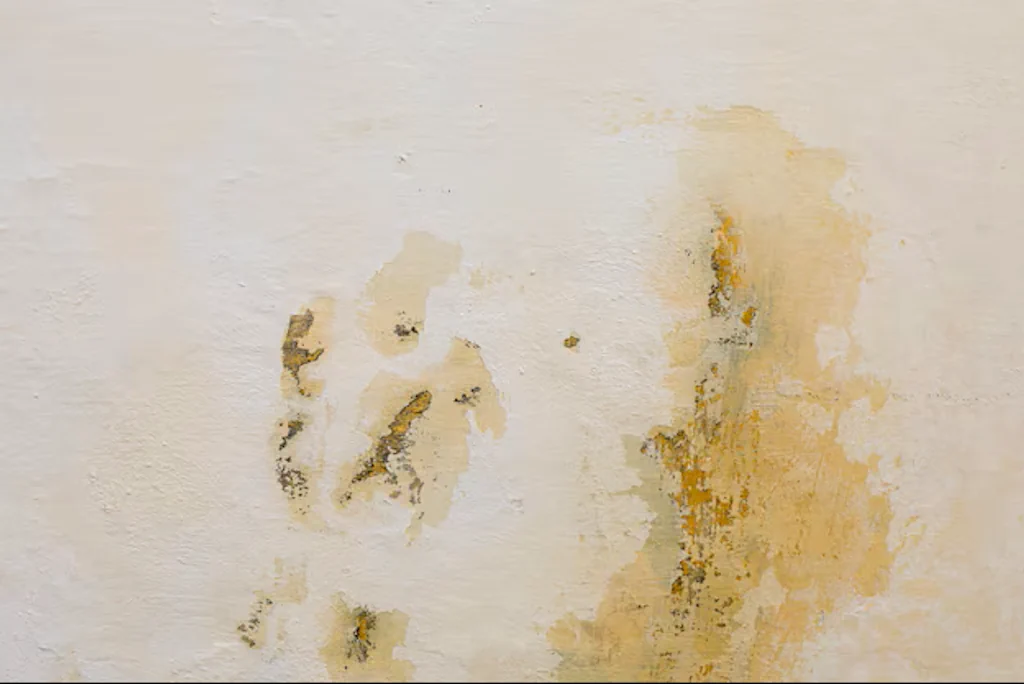
Paint might hide black or green patches for a short time, but mould continues to grow beneath. The spores break through the new layer, leaving stains and a musty smell. Worse, painting over mould traps moisture inside the wall or ceiling, creating further damage. Within weeks, the surface begins to bubble, peel, and discolour.
Health Risks Linked to Mould
Living with mould affects air quality. Spores float in the air and irritate the lungs. People often report coughing, sneezing, and itchy eyes. Children, the elderly, and those with asthma react most severely. Simply painting over mould does not remove these spores. Instead, it makes the problem harder to notice until the damage is extensive.
Steps Before Painting
To deal with mould properly, preparation matters more than paint choice.
- Find the source of moisture – Check for leaks, condensation, or poor ventilation. Fix these issues first, or the mould will return.
- Clean the surface – Scrub the area with a mould remover or a solution of water and bleach. Use gloves and goggles for protection.
- Dry thoroughly – A wet surface encourages regrowth. Use fans, dehumidifiers, or natural airflow to dry the wall.
- Apply a stain-blocking primer – Choose one designed for problem surfaces. This seals the wall and prevents stains from showing through.
Once these steps are complete, you can repaint with confidence.
The Right Paint for Lasting Results
After mould treatment, use paints that resist moisture. Bathrooms, kitchens, and basements benefit from mould-resistant paints. These contain additives that slow regrowth and protect surfaces for longer. Light colours also help you spot early signs of new mould patches, making it easier to act quickly.
When to Call a Professional
Small patches can be managed by most homeowners. Large areas, however, require professional help. Mould spreading across ceilings, behind wallpaper, or into plaster often signals a bigger moisture problem. In these cases, a painter and decorator can treat the surface properly and apply protective coatings that last.
Final Word
Painting over mould without treatment only masks the problem. It harms air quality, ruins paintwork, and causes recurring repairs. Tackle the root cause, clean thoroughly, and prime before applying paint. By preparing properly, you create a healthier home and a finish that lasts.
