
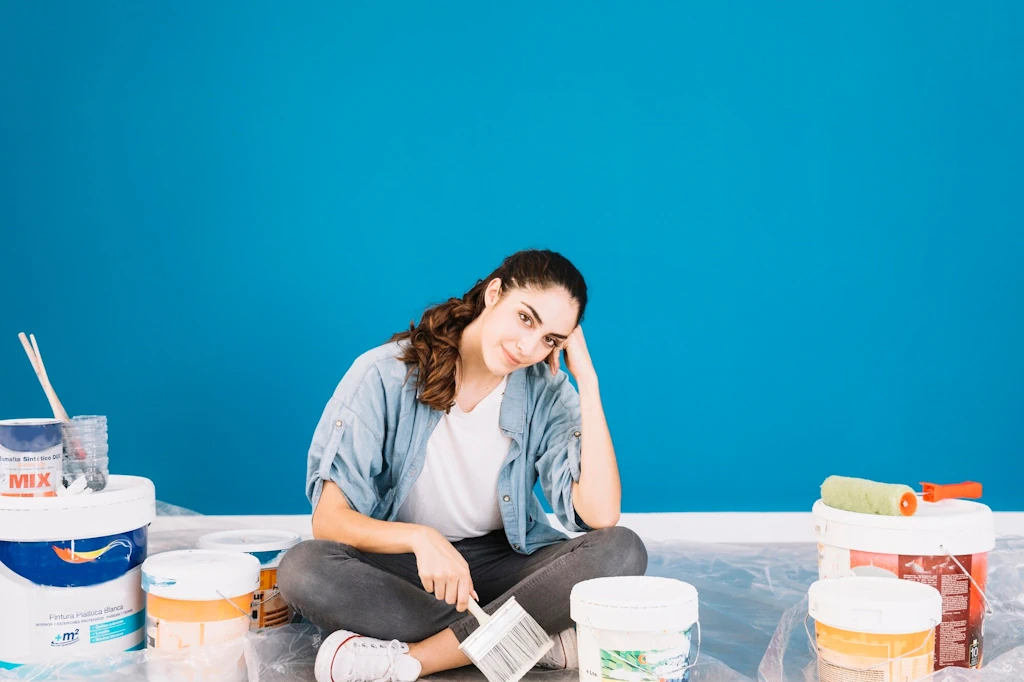
Is It Better to Hire a Painter or DIY?
Choosing between hiring a professional painter and doing it yourself depends on skill, time, and the desired finish. Painting is simple, but achieving a flawless, durable result requires planning, preparation and the right techniques. A professional painter and decorator delivers consistent, high-quality results that last. DIY work often falls short in coverage, smoothness, and longevity.
Skill and Experience Matter
Professional painters have years of hands-on experience. They understand surface preparation, paint types, and application techniques. Walls, ceilings, woodwork, and trims require different approaches. Incorrect handling leads to blistered paint, uneven coverage, streaks, and peeling. Experienced painters also identify underlying issues such as damp patches, cracks, or water damage that can affect the finish. A trained eye prevents problems before they appear.
Surface Preparation Is Key
Preparation takes longer than painting. Cleaning, sanding, filling cracks and repairing damaged plaster is essential. Professionals use the correct primers, sealants, and fillers to create a solid base. Skipping preparation leads to stains, uneven surfaces, and reduced paint lifespan. DIY attempts often underestimate this stage, resulting in an inferior finish.
Time and Convenience
Painting can take hours, days, or even weeks, depending on room size and complexity. A professional completes the job efficiently. They bring all necessary tools, ladders, and paint supplies, reducing disruption. DIY projects often extend over weekends or evenings. Mistakes require extra time to correct, increasing the total duration.
Quality of Finish
Professional painters deliver a smooth, uniform finish. Edges are crisp, corners are neat, and trims are flawless. They understand proper roller and brush techniques, ensuring even coverage without streaks or splatters. High-quality results also involve multiple coats, where needed and careful drying times. DIY work often leaves inconsistencies that become more noticeable over time.
Cost Considerations
Hiring a professional involves upfront expense, but it often proves cost-effective in the long term. Mistakes from DIY can require repainting, material replacement, or even repair of underlying damage. Professionals work efficiently, reducing wasted paint and avoiding repeat work. They also handle high-reach areas safely, avoiding accidents and damage to property.
Specialist Work
Some rooms require specialist attention. Kitchens, bathrooms, and utility rooms face moisture, steam, and heat. Water-damaged walls or ceilings need proper treatment before painting. Professionals know which moisture-resistant or anti-mould paints to use, ensuring the finish lasts and protects surfaces. DIY attempts may fail if the wrong products or techniques are chosen, leading to peeling, staining, or mould growth.
Safety and Equipment
High ceilings, ladders, scaffolding, and heavy rollers present safety risks. Professionals carry insurance and have training in safe working practices. DIY work often ignores these precautions, increasing the risk of accidents. Using the wrong ladder or handling large paint tins incorrectly can lead to injury or property damage.
Long-Term Value
A professionally painted room retains its finish longer, resists wear, and looks cleaner. The right preparation, primer, and paint combination prevents stains, cracks, and fading. DIY results may look acceptable initially but tend to deteriorate faster, requiring touch-ups sooner. Professionals also offer advice on maintenance, extending the life of the paintwork.
Final Thoughts
Hiring a painter and decorator provides superior results, saves time, ensures safety, and protects long-term investment. DIY painting works for small, simple jobs but rarely achieves professional standards. For high-quality, durable, and consistent results, professional expertise makes the difference.
